Brain Health In A Changing Climate
The Neuro Climate Working Group is the first and only global action tank tackling the brain health impacts of climate change and related environmental factors. We bring together experts across science, medicine, public health, policy, architecture, design, and community leadership to create solutions at the crossroads of neuroscience, environmental justice, planetary health, and climate resilience.

Our Mission
We are committed to unraveling the complex relationship between climate change and brain health. Our mission is to translate groundbreaking research into actionable solutions that safeguard cognitive function, neurological health, and mental well-being for all.
We strive to:
Advance Research: Conduct and support rigorous, multidisciplinary studies on climate and brain health.
Promote Awareness: Educate policymakers, professionals, and the public on the critical link between climate and brain health.
Inspire Action: Develop and implement evidence-based strategies to mitigate harm and build resilience among the most vulnerable communities worldwide.
Influence Policy: Advocate for policies that prioritize brain health in climate agendas.
Build Capacity: Support and mentor the next generation of climate–brain health leaders.


Our Vision
We envision a brain-healthy world in which scientific insights into the neurological and mental health impacts of climate change empower individuals and communities to act collectively and at all levels.
We work to shape local, national, and global policy through robust evidence, helping build resilient societies equipped to face the health challenges of a changing planet. By placing brain health at the core of climate resilience strategies, we strive for equitable and sustainable outcomes for all.
Our Why
Climate change is more than an environmental crisis: It is the largest global health threat of the present era.
Growing evidence synthesized by our network shows that exposure to extreme heat, air pollution, and other climate-related stressors can significantly impair neurological, cognitive, and emotional functions and exacerbate various mental and neurological disorders. Yet, research in this area remains fragmented and underdeveloped, particularly in the lower- and middle-income countries that are most vulnerable to climate impacts. Today, there is a critical need to better understand the scope of these effects, identify research deficits, and provide clear, actionable guidance for scientists, medical professionals, and policymakers.
We believe that increasing our scientific understanding is necessary, but not enough. Real change requires deep collaboration with communities, particularly those most at risk. Together, we aim to design and implement locally-grounded and community-based adaptation and prevention strategies that promote resilience and protect brain health where it’s needed most.

How To Be Involved
We are a collaborative, action-oriented network. Members and partners engage with NCWG in a variety of ways, through learning, research, policy translation, and community-centered initiatives.
Opportunities to get involved include participating in our monthly meetings, contributing to thematic focus groups and projects, collaborating on research and policy outputs, and supporting education and mentorship efforts across regions and career stages.
Current opportunities and ways to participate are outlined on our Work, Meetings, and Contact pages.
Who we are
We are an international and multidisciplinary network of scientists, clinicians, public health professionals, policy experts, architects, designers, and community advocates. Through targeted research, interdisciplinary collaboration, evidence-based advocacy, and community engagement, we strive to illuminate and tackle the brain health challenges posed by our changing climate.
Launched in April 2024, our group has more than 450 members from over 60 countries, with strong representation from low- and middle-income regions, where climate impacts are felt most acutely. In 2025, the World Economic Forum recognized us as one of the top five global initiatives working at the intersection of climate change and mental health. You can find our list of members here.
Our Team
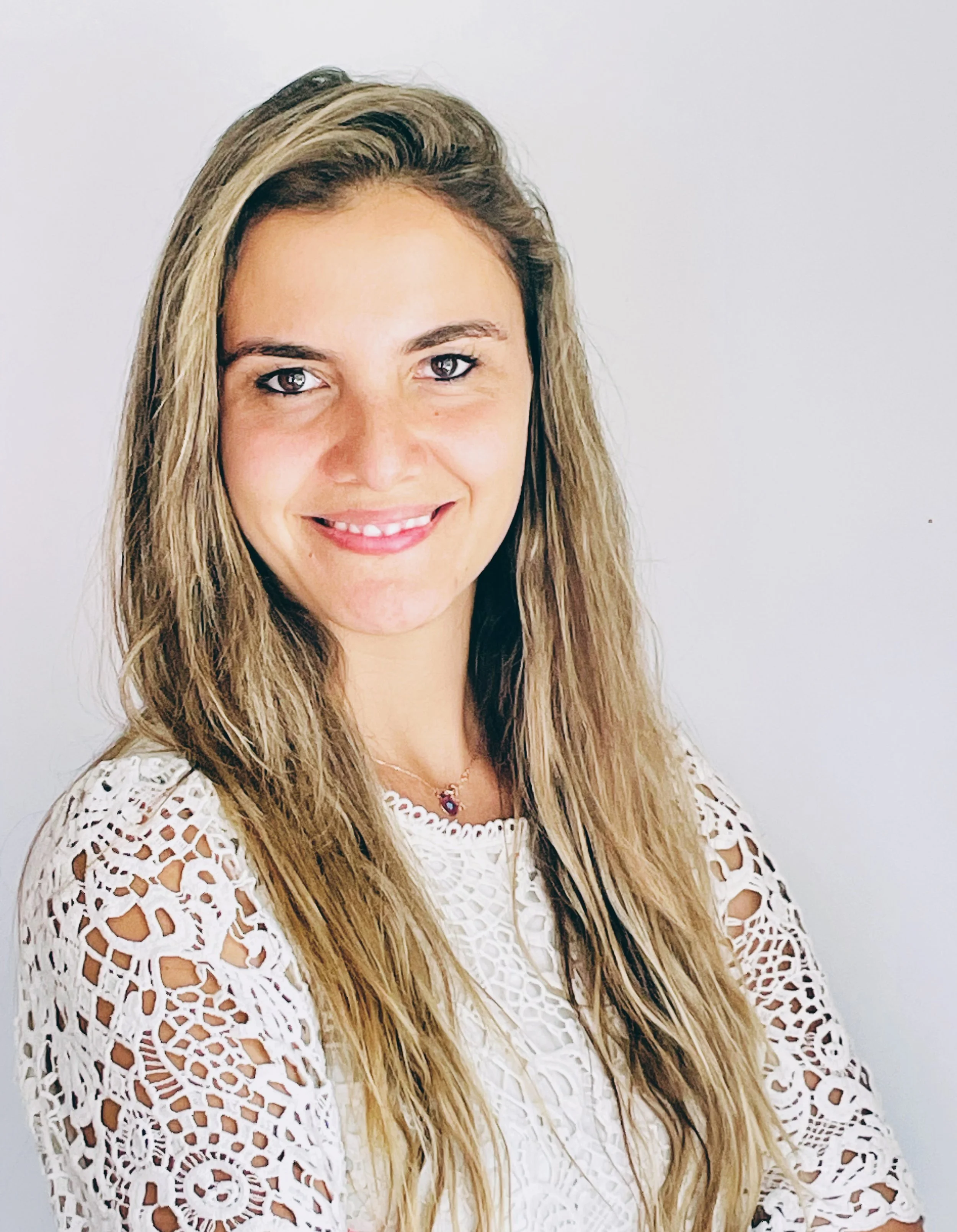
Burcin Ikiz, PhD
Founder & Chair
Burcin is an award-winning neuroscientist with over 20 years of experience advancing research and policy at the intersection of brain health, climate change, and planetary resilience. She is the Founder and Director of EcoNeuro, a research and translation initiative dedicated to understanding how environmental and climate-related factors affect the brain across the lifespan and to advancing evidence-based solutions. Dr. Ikiz serves as an advisor to the World Health Organization and other international bodies, was recognized as a 2025 Grist 50 Climate Leader, and is an Adjunct Lecturer in Psychiatry at Stanford University, where she contributes to interdisciplinary teaching and research on climate and brain health.

Angie is a neuroscientist focused on understanding how environmental change shapes brain function and resilience. She is an Associate Program Officer in Neuroscience at The Kavli Foundation, where she developed and leads the Initiative in Neurobiology in Changing Ecosystems, advancing research on the neurobiological mechanisms underlying nervous system responses to environmental stress. Through collaborative program development and field-building, her work has helped catalyze approximately $25 million in public and philanthropic investment in this emerging area of neuroscience.
Angie Michaiel, PhD
Research Coordinator

Clayton Aldern, MSc, MPP
Policy Coordinator
Clayton is an award-winning journalist, writer, and data scientist exploring the intersections of climate change, neuroscience, and society. He is the author of The Weight of Nature, a nonfiction book examining how environmental degradation and climate stressors shape brain chemistry, behavior, and mental health. A Rhodes Scholar, he holds master’s degrees in neuroscience and public policy from the University of Oxford, and his work has appeared in outlets including The Guardian, The Atlantic, and Scientific American. His reporting and data-driven storytelling have received numerous honors, including a national Edward R. Murrow Award, multiple Online Journalism and Sigma Awards, and the Breaking Barriers Award.

Boryana Todorova, PhD
Research Coordinator
Boryana is a psychologist/neuroscientist studying the psychological and social barriers to climate change mitigation. She combines large-scale cross-national experiments, machine learning, neuroimaging, and computational modeling to study responses to climate change at multiple levels— from neural and cognitive mechanisms of individual decision-making to population-level patterns of belief and behavior across countries. She is currently finishing her PhD at the University of Vienna's Social, Cognitive and Affective Neuroscience Unit and is starting a postdoctoral position at the Net Zero Observatory at the University of Queensland.
Our Advisors
-
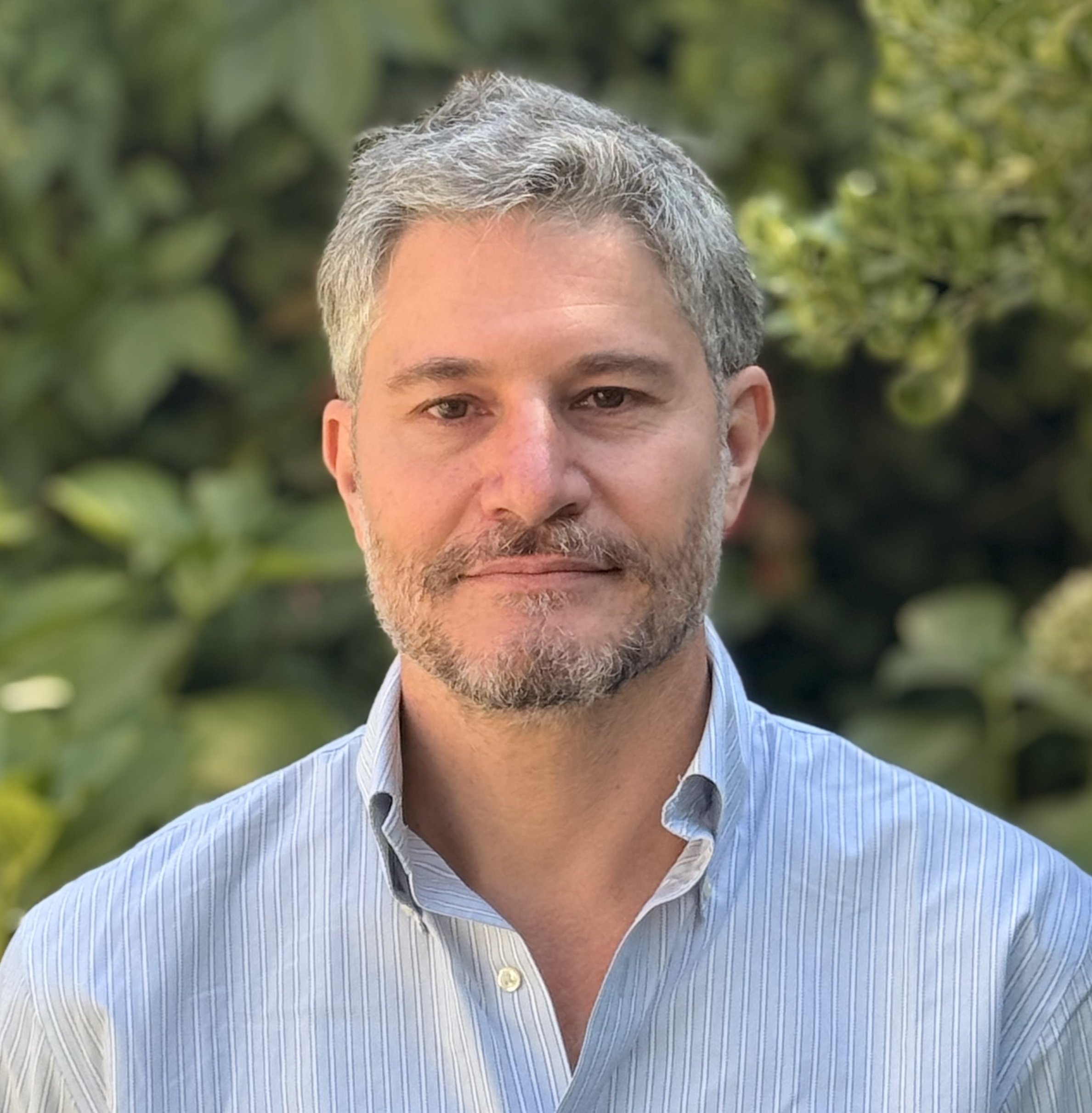
![A middle-aged man with salt-and-pepper hair, a beard, and mustache, wearing a light blue striped dress shirt, standing outdoors with a blurred green leafy background.]()
Agustin Ibanez, PhD
Professor and Director of the Latin American Brain Health Institute (BrainLat), Universidad Adolfo Ibáñez, Chile
Director of the International Program in Global Brain Health Research at the Global Brain Health Institute
Team Leader of the Predictive Brain Health Modelling Group, Trinity College Dublin, Ireland
-
![A woman with dark, wavy hair and light brown eyes smiling, wearing a dark pinstripe blazer and gold jewelry, standing outdoors with a blurred green foliage background.]()
Bishakha Mona, PhD
Associate Advisor, Science Philanthropy Alliance
-
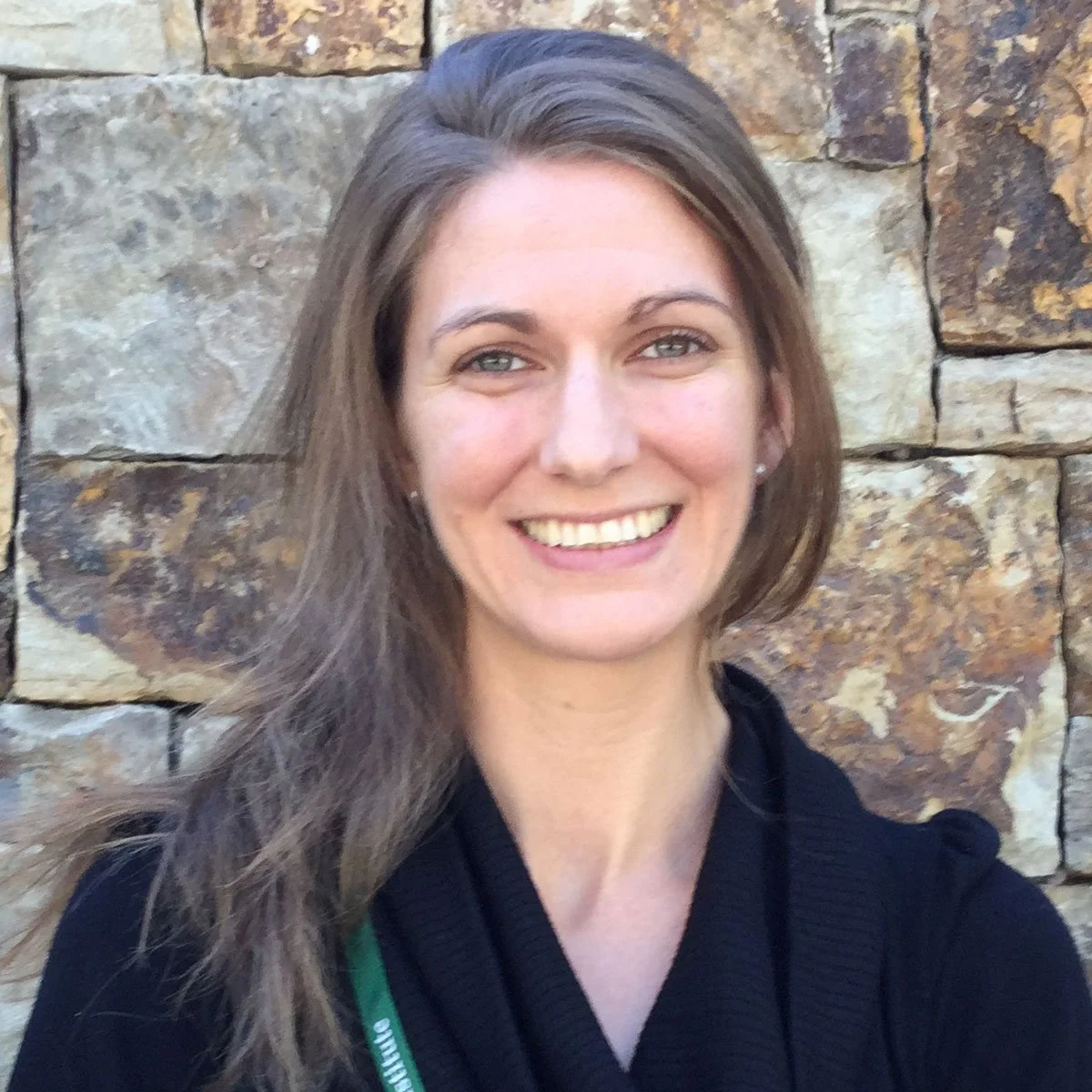
![A woman with long brown hair and light-colored eyes smiling, standing in front of a stone wall.]()
Cecilia Sorensen, MD
Director of the Global Consortium on Climate and Health Education
Faculty & Emergency Physician, Columbia University
-
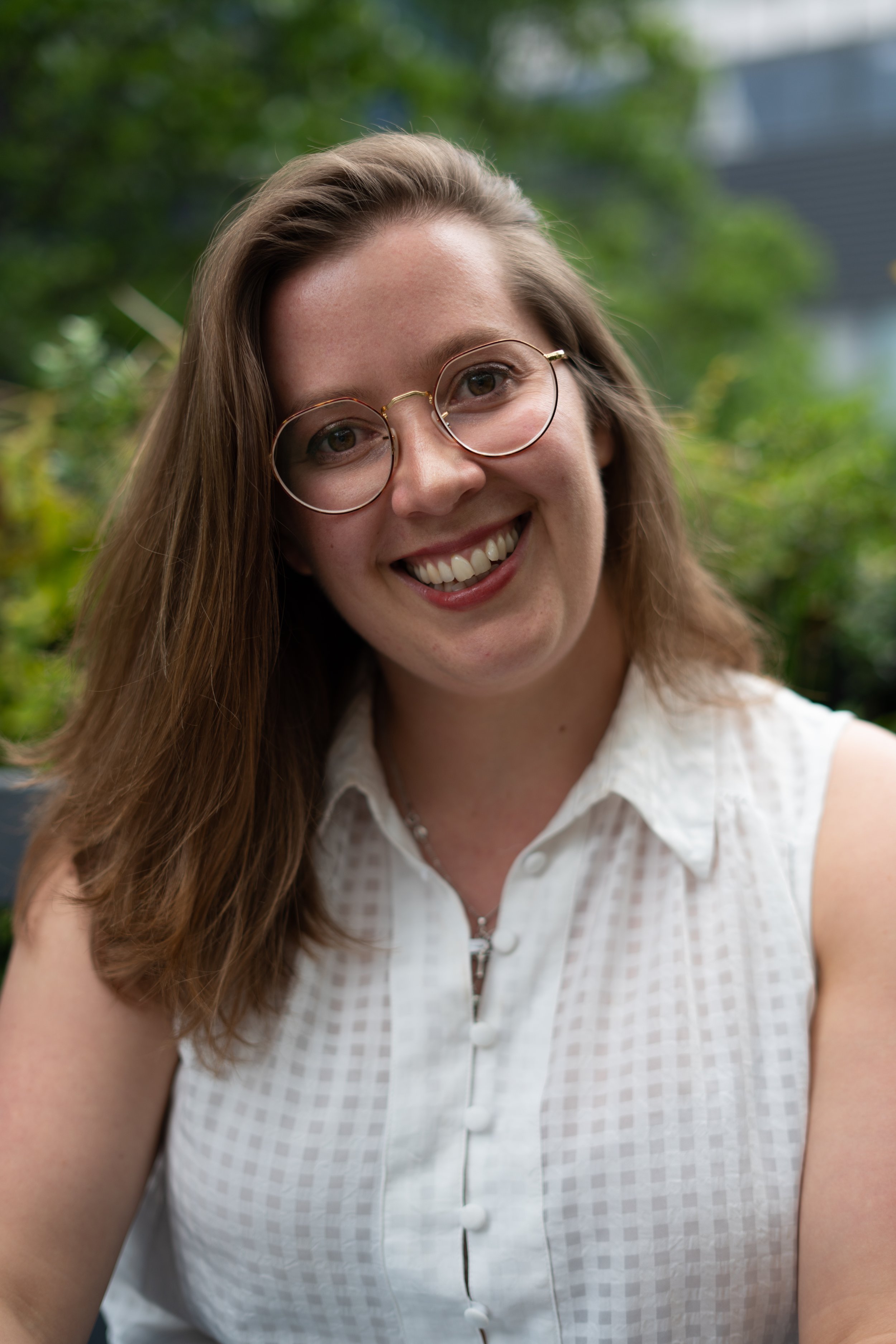
![A young woman with shoulder-length brown hair, wearing glasses and a sleeveless white checkered top, smiling outdoors with blurred greenery in the background.]()
Emma Lawrance, PhD
Director, Climate Cares Centre
Assistant Professor, Department of Psychiatry, University of Oxford
-
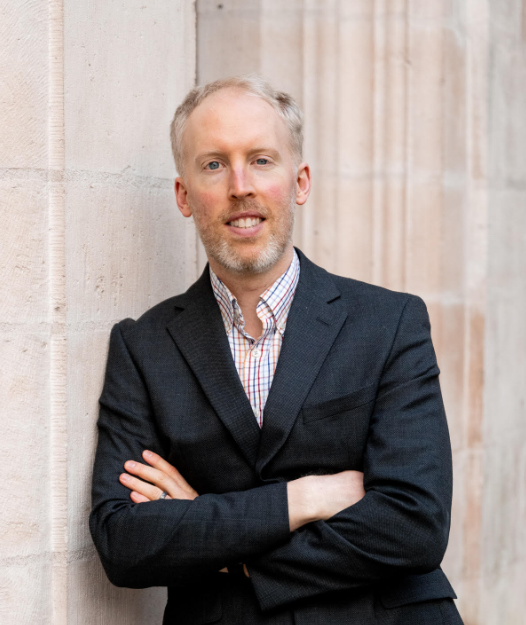
![A man with light hair and beard wearing a dark suit and checkered shirt, crossing his arms and smiling, standing against a stone wall.]()
Harris Eyre, MD, PhD
Harry Z. Yan & Weiman Gao Senior Fellow and Lead of Neuro-Policy, Rice University
Executive Director, Brain Capital Alliance
-
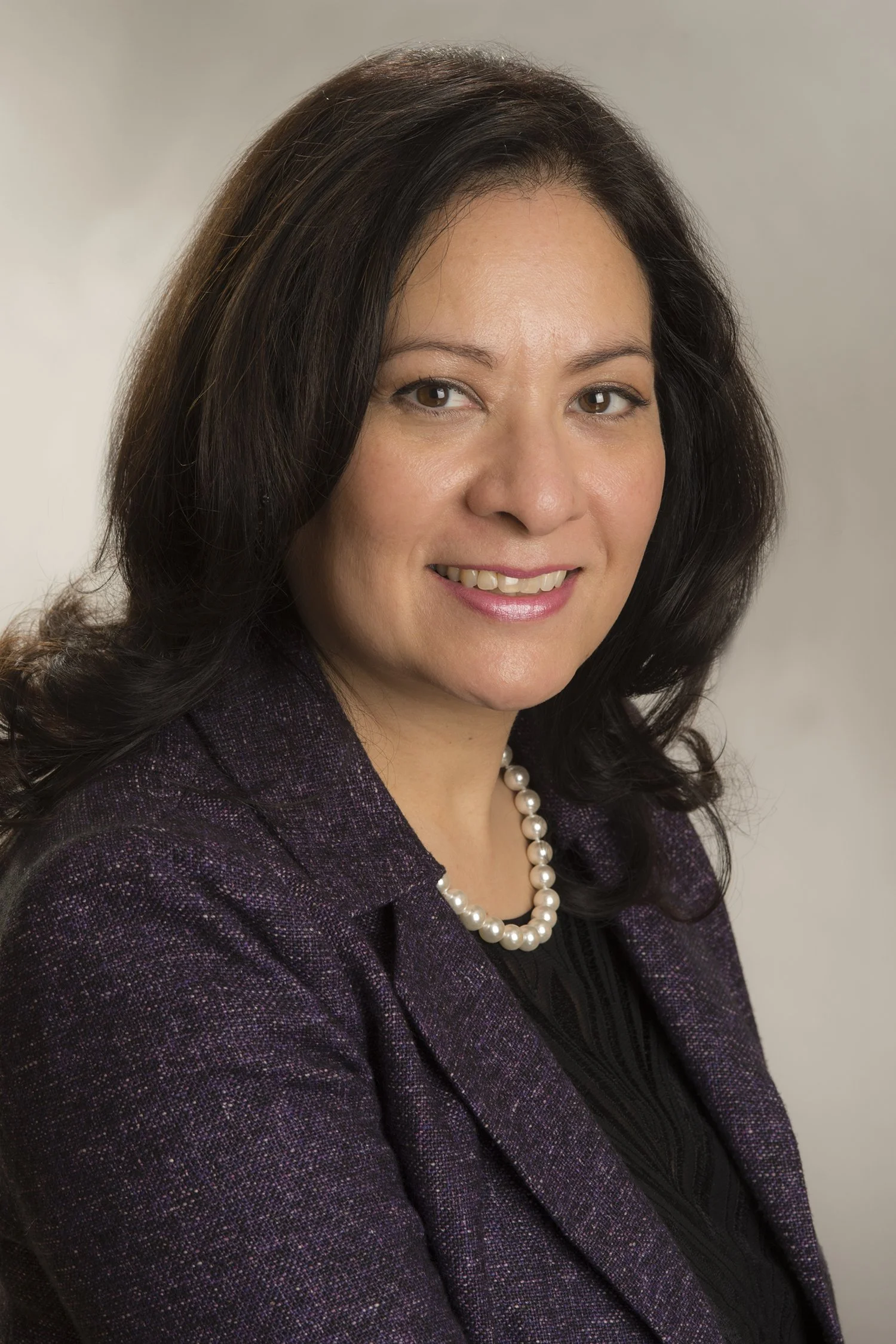
![A professional woman with dark brown hair, wearing a dark purple blazer, black top, and a pearl necklace, smiling at the camera against a light, neutral background.]()
Inez Jabalpurwala
President & Chief Executive Officer, Public Policy Forum
-
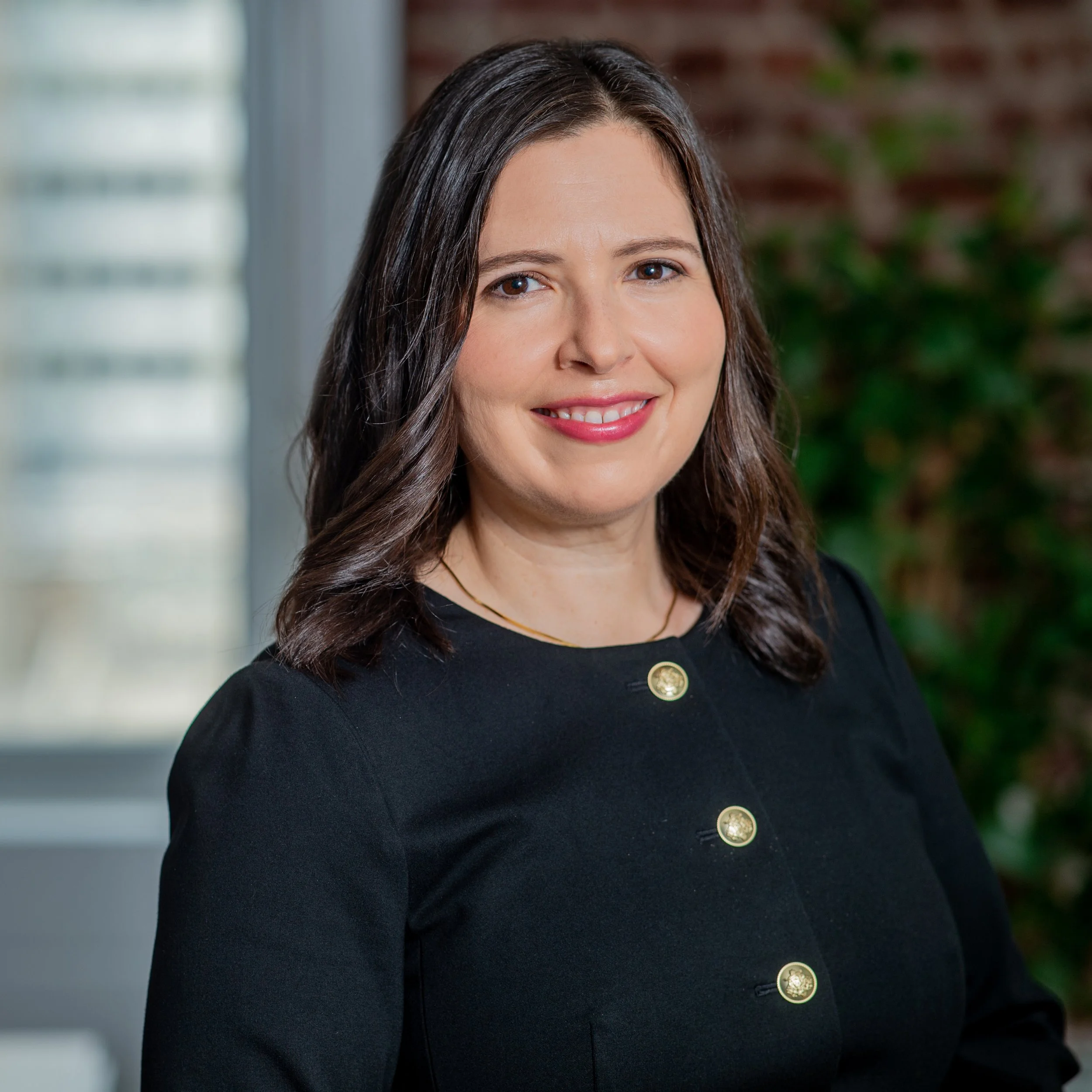
![A woman with shoulder-length brunette hair, smiling, wearing a black blazer with gold buttons, standing indoors near a window.]()
Khara Ramos, PhD
Vice President, Dana Foundation
-
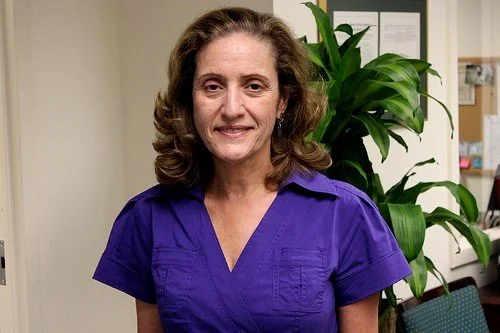
![A woman with brown, curly hair wearing a purple shirt, standing indoors with a large green plant behind her.]()
Leyla Erk McCurdy, MPhil
Founder & Chair, Children’s Environmental Health Committee, American Public Health Association
Chair, Climate for Health Executive Committee, ecoAmerica
Board Member, Children’s Environmental Health Network
-
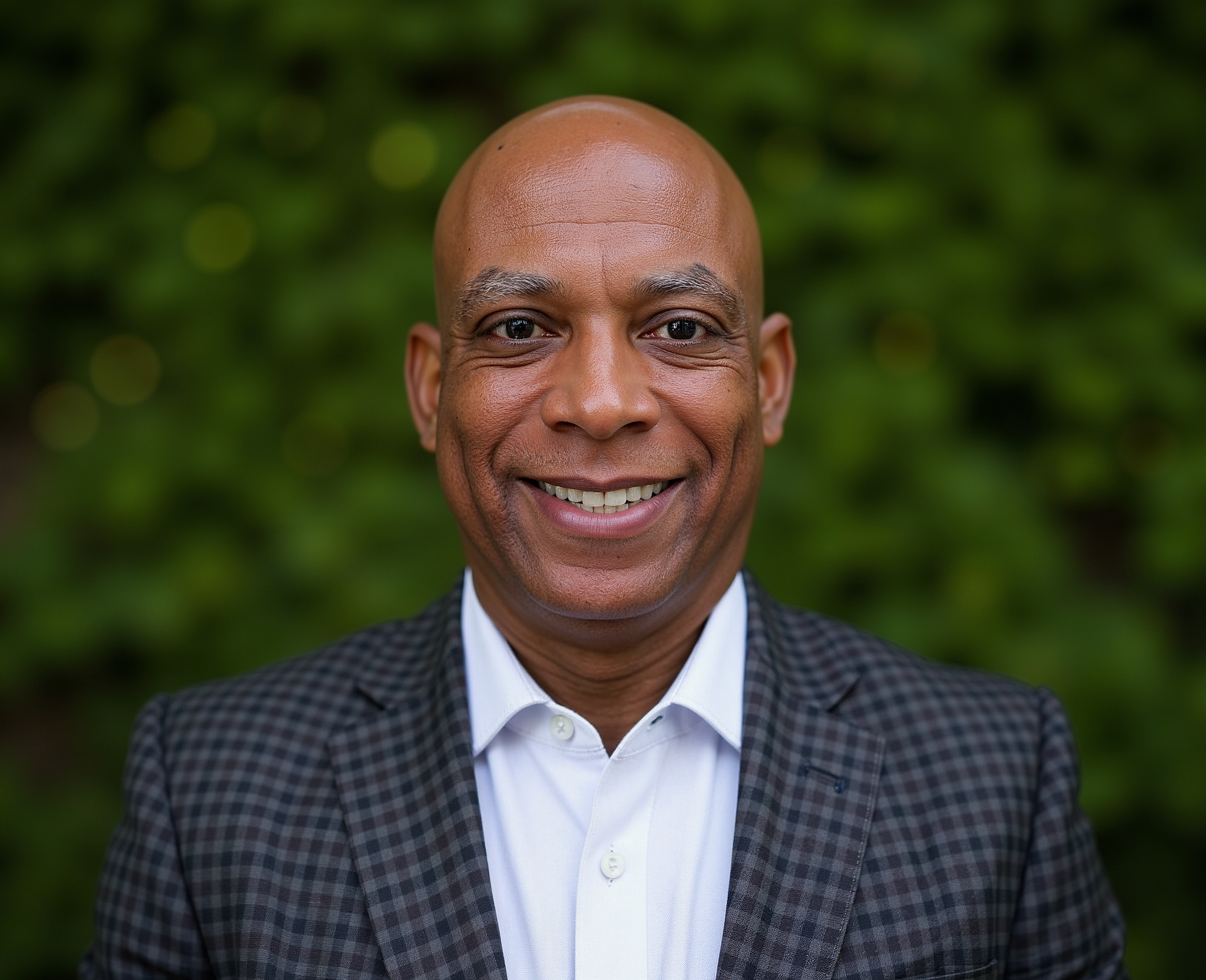
![Smiling man in a checkered suit and white shirt outdoors with green foliage background.]()
Matt McFarlane, PhD, JD
President, Grass Foundation
Partner, Practus, LLP